Showing 40 products
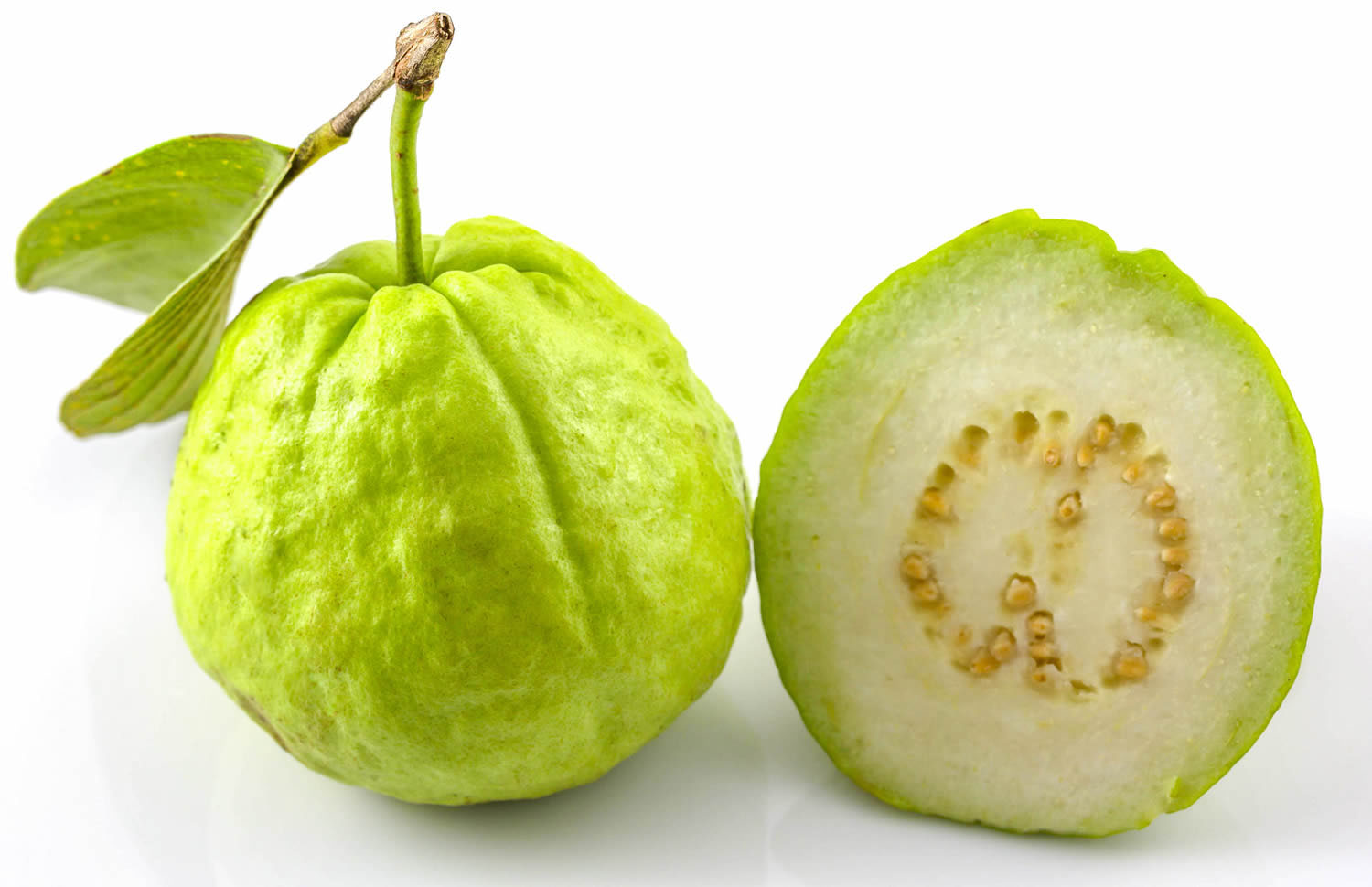
Guava
HSN code: 08045010 for fresh or dried guavas is Widely consumed fresh, in salads, or processed into juices, jellies, and jams. The leaves are also used in traditional medicine, particularly as a remedy for diarrhea and to aid in digestion. Growing Conditions: Thrives in warm, humid tropical and subtropical climates.
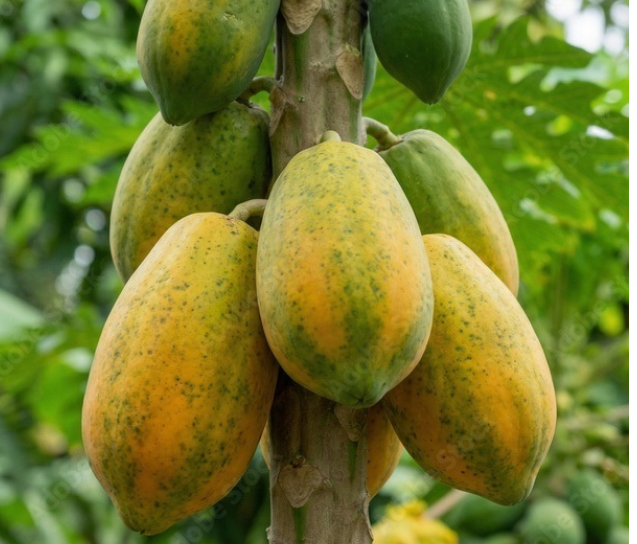
Papaya
HSN code: 08072000 for fresh papaya (pawpaws) is Major types include large Mexican papayas and small, sweet Hawaiian papayas. Uses: Ripe papaya is eaten fresh for breakfast or in salads. Green papaya is used in salads, Thai green papaya salad), curries, and stews. The latex from unripe fruit and leaves is used to tenderize meat due to high papain content.
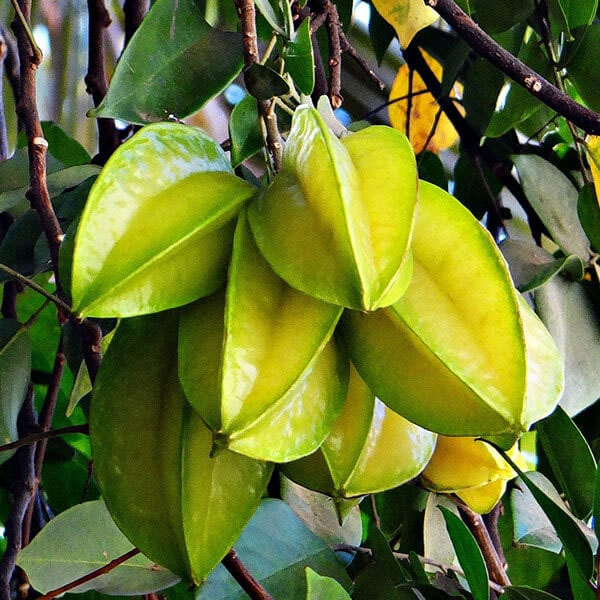
Carambola
HSN code: 08109010 When sliced crosswise, the fruit forms a distinct five-point star. Ripe fruits are yellow, waxy, and have a tart-sweet flavor (similar to apples or grapes) Nutritional Value: A rich source of Vitamin C (approx. 38% daily value per 100g) and antioxidants, low in calories.
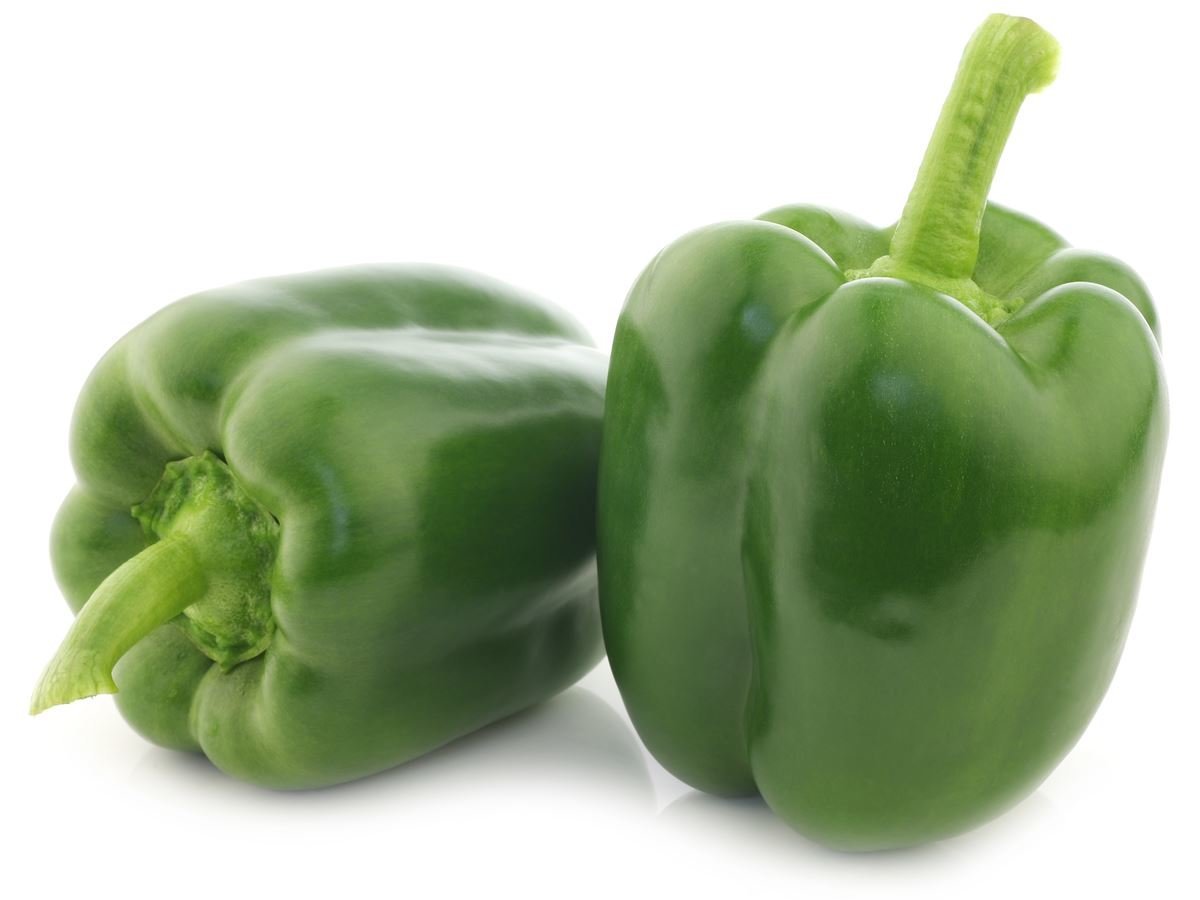
Bell Pepper
HSN code: 07099990 Crisp and firm texture. Ripe peppers (red, yellow) are sweet, while green peppers are slightly bitter. Nutrition: Very high in Vitamin C (more than citrus) and a good source of Vitamin A, Vitamin B6, and antioxidants.
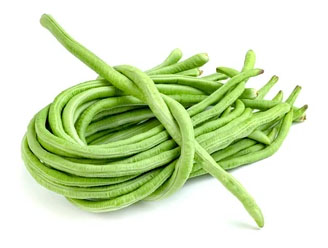
Yardlong beans
HSN code07099990, for fresh yardlong beans is Yardlong beans (Vigna unguiculata subsp. sesquipedalis), also known as snake beans or asparagus beans, are fast-growing, warm-season climbing legumes native to Southern Asia.
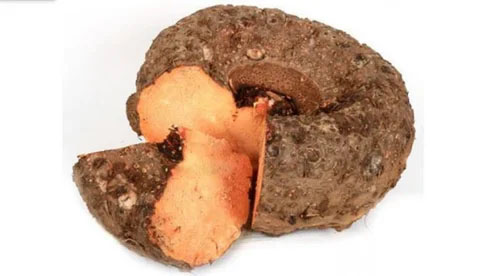
Elephant Yam
HSN code: 0714 3000 for fresh or chilled Elephant Yam (Suran/Amorphophallus paeoniifolius) is a nutrient-dense tropical tuber, rich in fiber, potassium, and vitamins, commonly used in Indian cuisine for curries, fries, and chips.
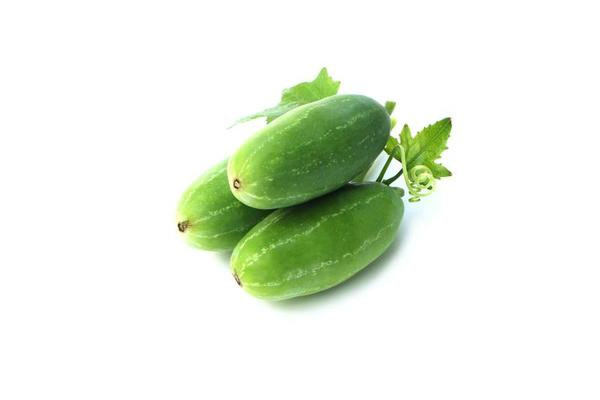
Ivy Gourd
HSN code: 07099920 for fresh ivy gourd (tindora/tendli) is Extremely popular in Indian and Southeast Asian cuisine, it is eaten raw, fried, roasted, in pickles, or added to curries (like Kunduri Posto in Bengal).
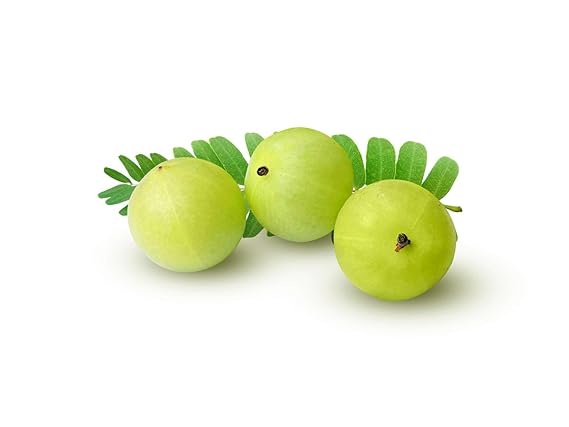
Gooseberry
HSN code: 08103000 for fresh gooseberries (including currants) is They range from sour and tangy to sweet as they ripen, often compared to grapes or kiwi. Health Benefits: High in Vitamin C, they offer antioxidant, anti-aging, and anti-inflammatory properties. Culinary Uses: Frequently made into jams, jellies, pies, chutneys, and pickles.
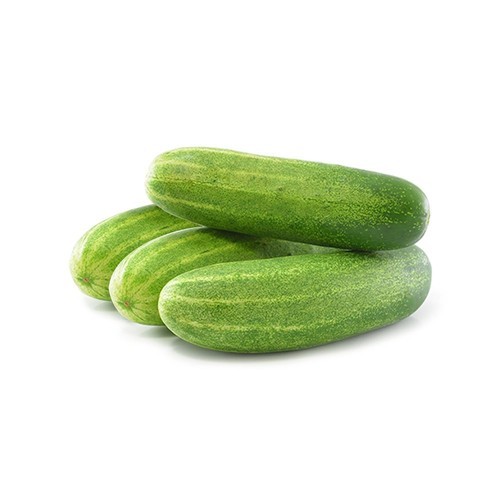
Cucumber
HSN code: 07070000 for fresh or chilled cucumbers and gherkins is Usage It has a thin, edible green rind, though it turns yellow when fully mature. It is commonly used raw in salads, sandwiches, or eaten as a snack. Plant Type: It grows as a crawling vine that requires climbing frames or trellis.
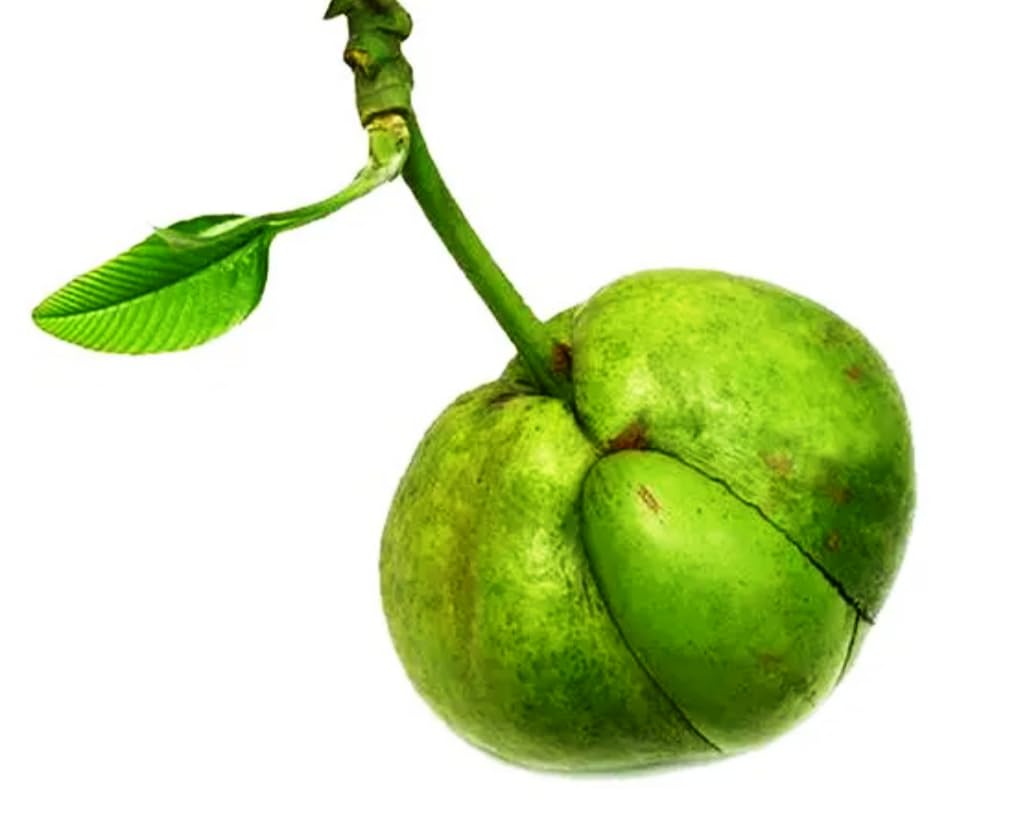
Elephant Apple
HSN Code: 08109090 / 08109000 Chaltar Achar (sweet-sour pickle) and Chaltar Tok (a tangy stew). Health Benefits: It is a rich source of Vitamin C and aids in digestion due to its high fiber content. Appearance: A large, hard, green fruit with layered, fleshy, edible sepals.
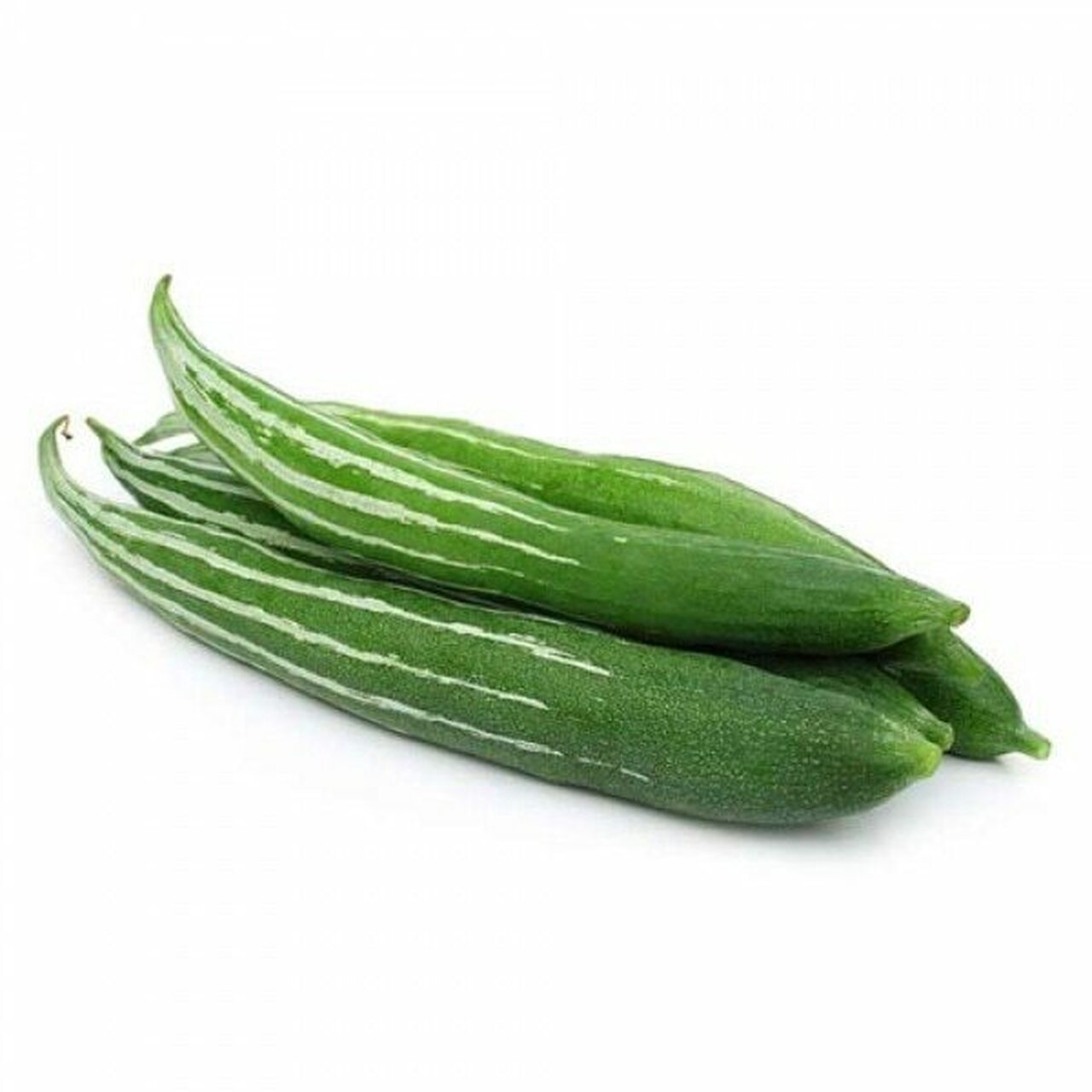
Snake Gourd
HSN code: 07099350 It falls under the category of "Other Vegetables, Fresh or Chilled" ..
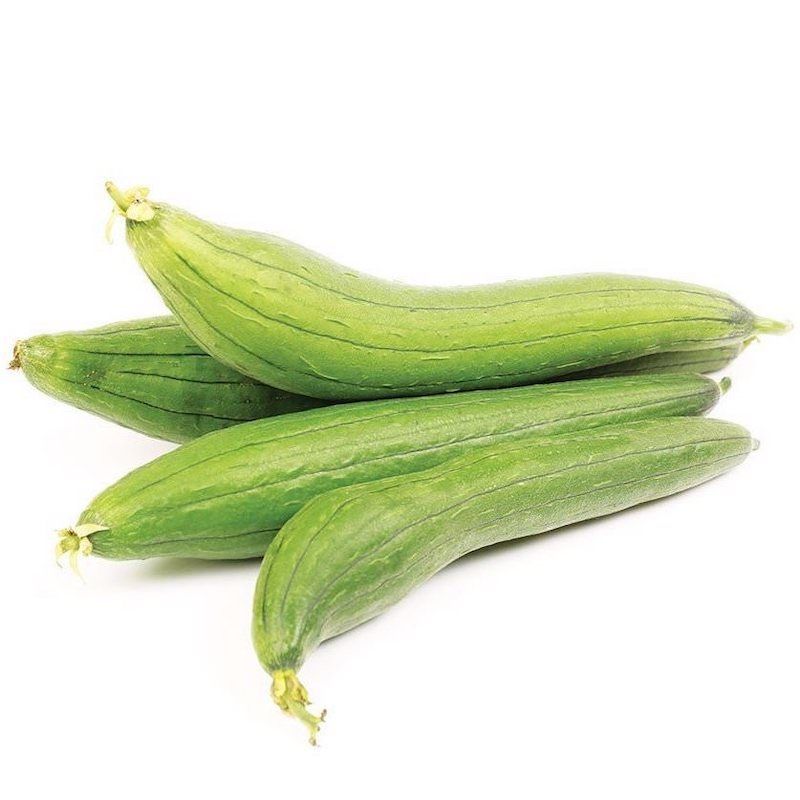
Sponge Gourd
HSN code: specifically 07099390 is 0709 (Other vegetables, fresh or chilled). Common sub-headings include 07099390 or 07099990. Sponge Gourd Seeds (For Sowing): 12099190 (Vegetable seeds, other), or 12099990.
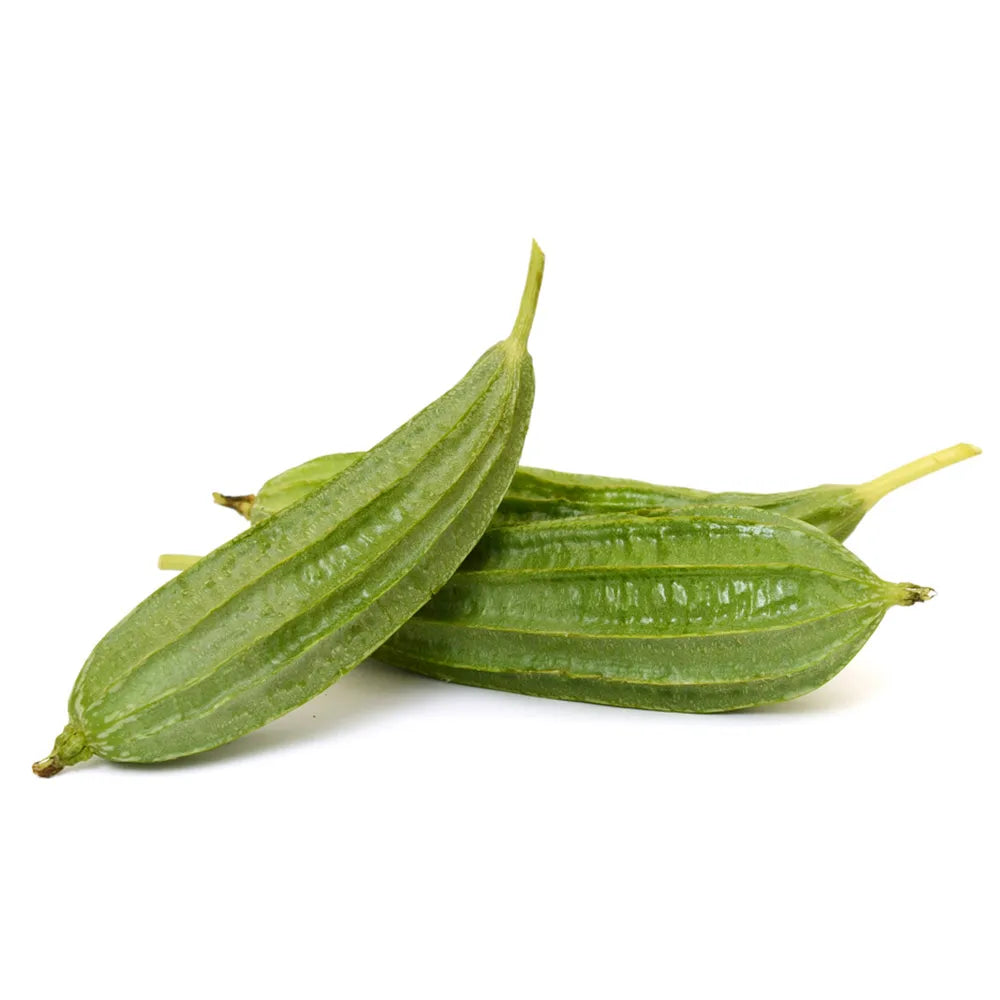
Ridge Gourd
HSN code: 07099350 It falls under the category of "Other Vegetables, Fresh or Chilled" (Chapter 07, Heading 0709)
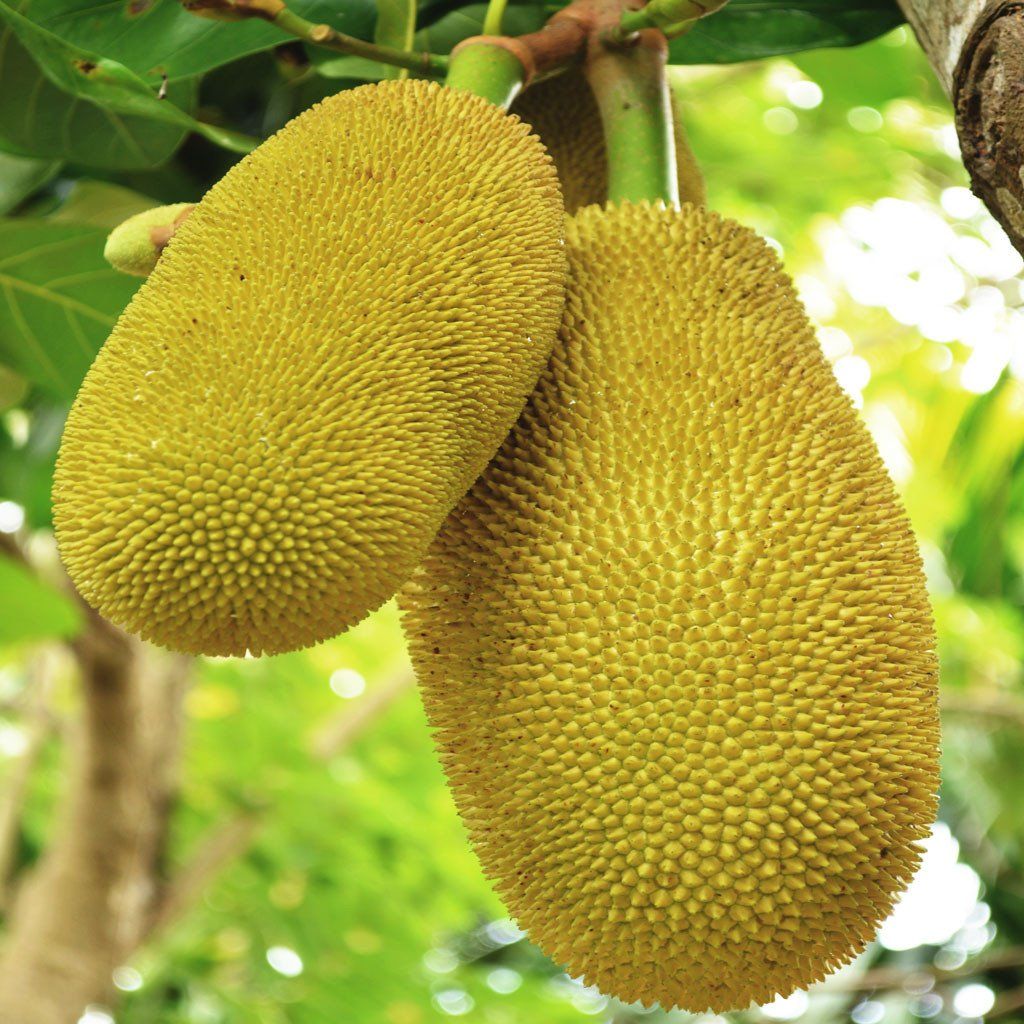
Jackfruit
HSN code: 08109090 Often called a "vegetarian meat" due to its fibrous, meaty texture when cooked as a savory curry or vegetable dish. It is the largest tree-borne fruit in the world.
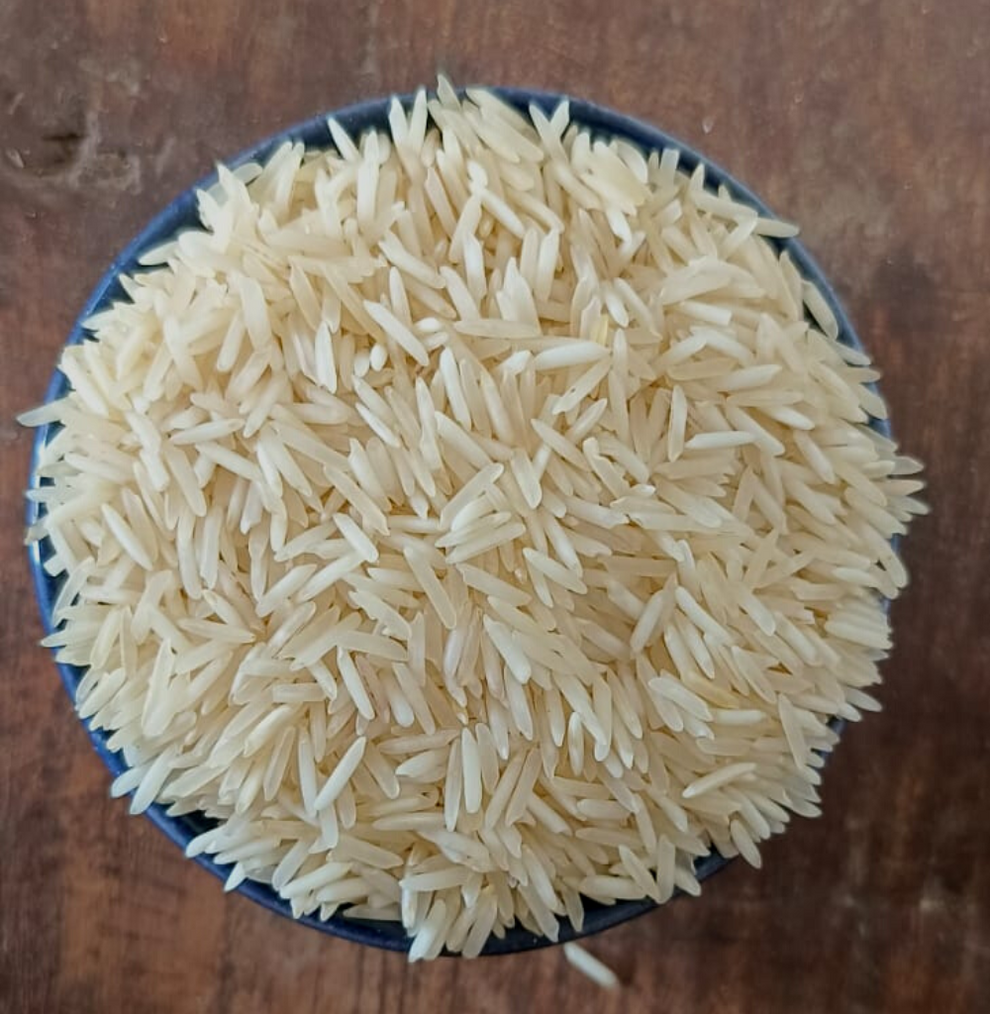
Rice
HSN code: 1006 ʀɪᴄᴇ ᴛʏᴘᴇ- Basmati Rice, Sona Masoori (Sona Masuri), Ponni Rice, Matta Rice (Rosematta) ᴠᴀʀɪᴇᴛʏ (1121, 1718, 1509, 1401, ᴘᴜꜱᴀ, ꜱᴜɢᴀɴᴅʜᴀ, ᴛᴀᴊ, ꜱʜᴀʀʙᴀᴛɪ, ʀʜ10, ᴘʀ11/14, ᴘᴀʀᴍᴀʟ) (ʀᴀᴡ, ꜱᴛᴇᴀᴍ, ꜱᴇʟʟᴀ, ɢᴏʟᴅᴇɴ ꜱᴇʟʟᴀ)- ʙʀᴏᴋᴇɴ, ɪʀ64.
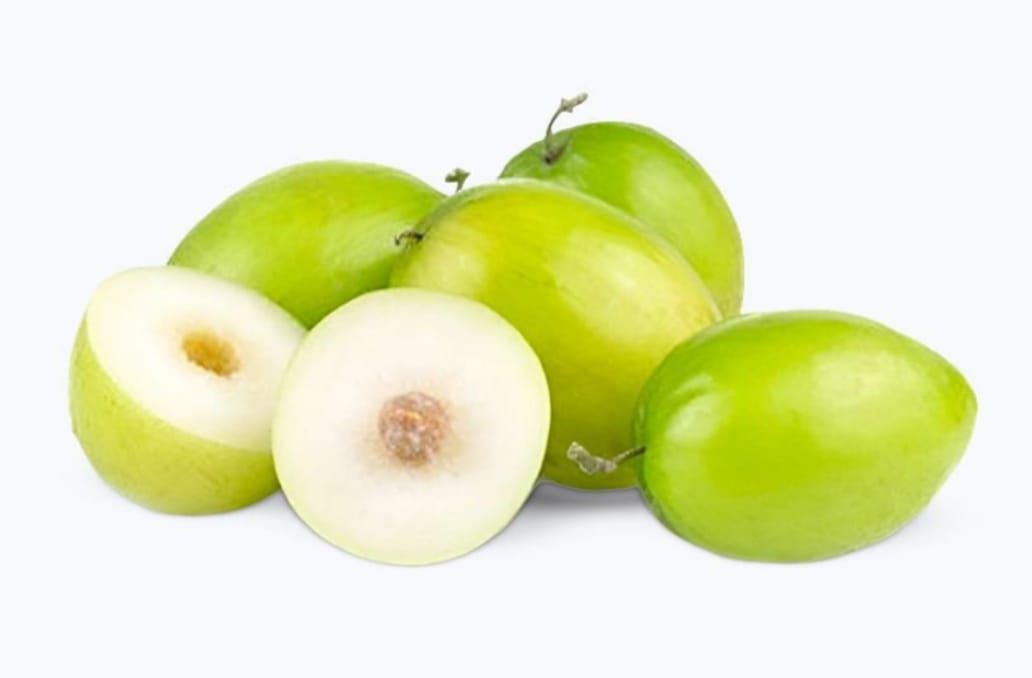
Chinese Date
HSN Code: 12119093 Specifically for UNAB Chinese dates, often used for dried, medicinally used, or herbal preparations
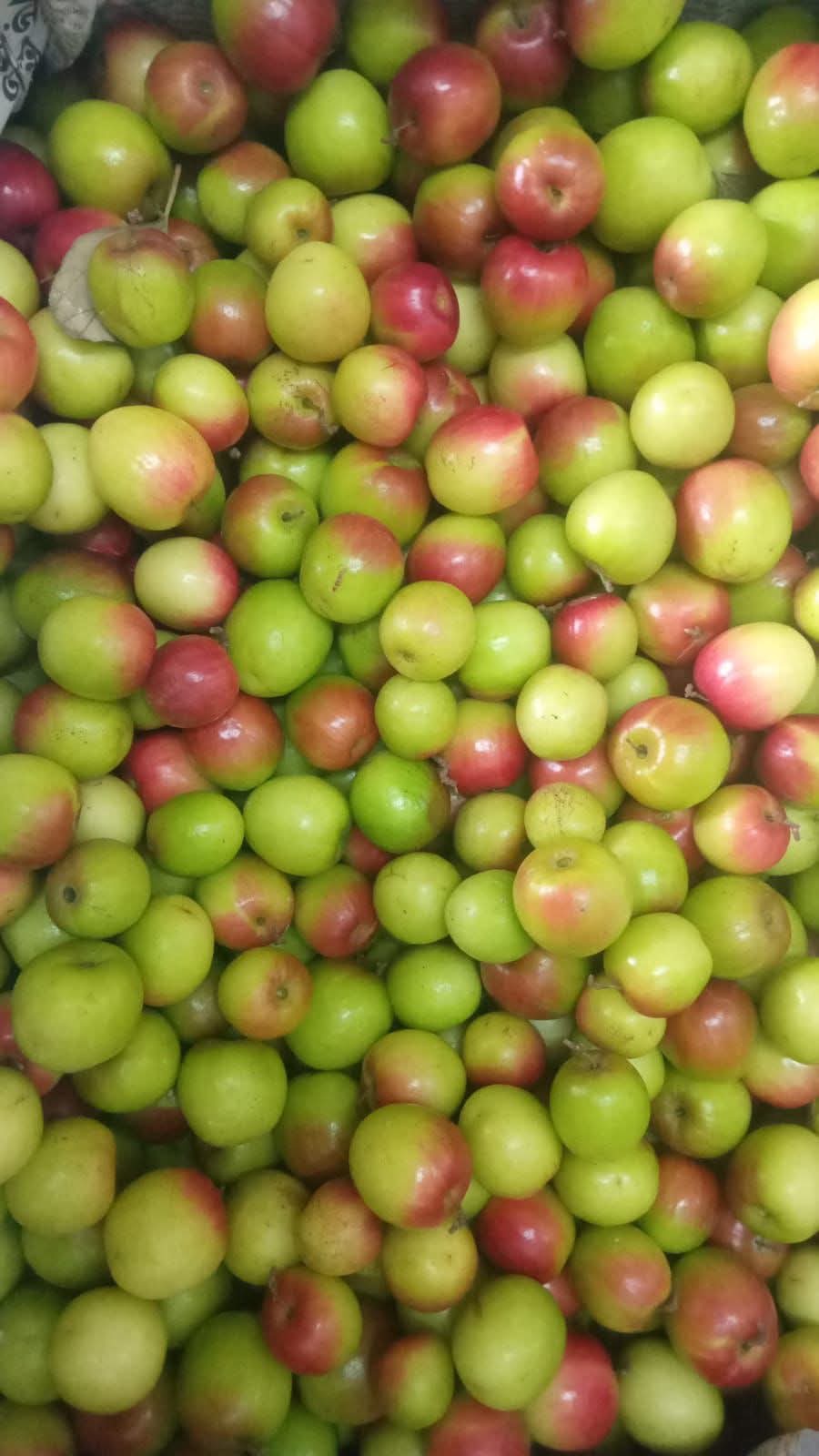
Indian Jujube
HSN Code: 08109050 Indian Jujube (Ber fruit), fresh or chilled
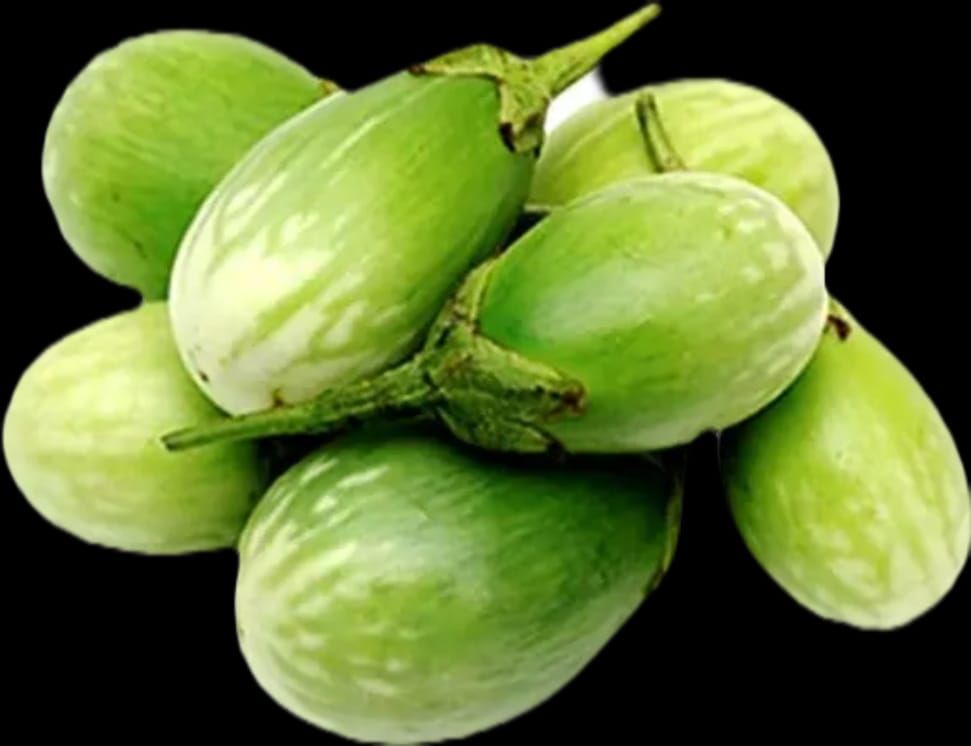
Eggplant
HSN Code: 07093000 many kind of eggplant use healthy and tasty.
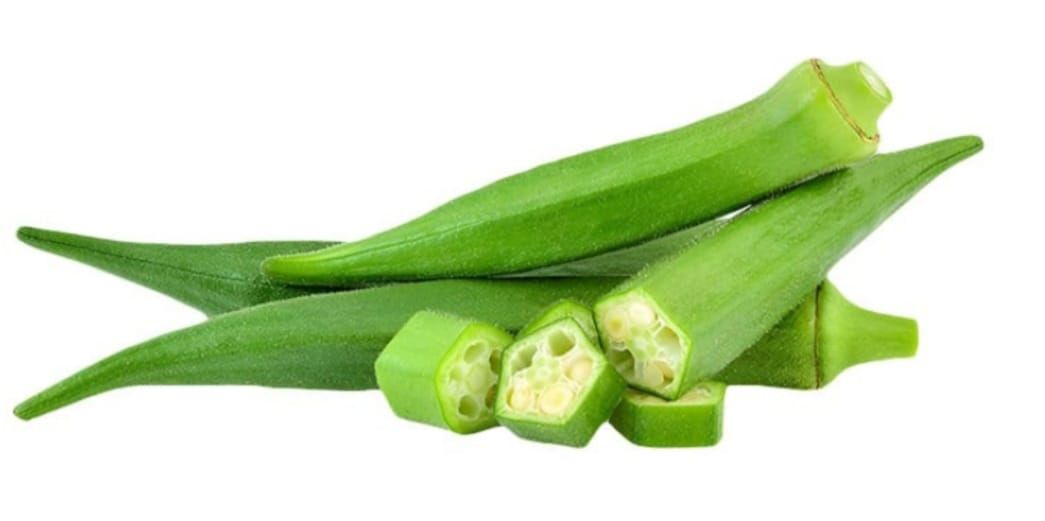
Lady Finger
HSN code: 07099930 for fresh or chilled Lady's Finger (Okra/Bhindi)
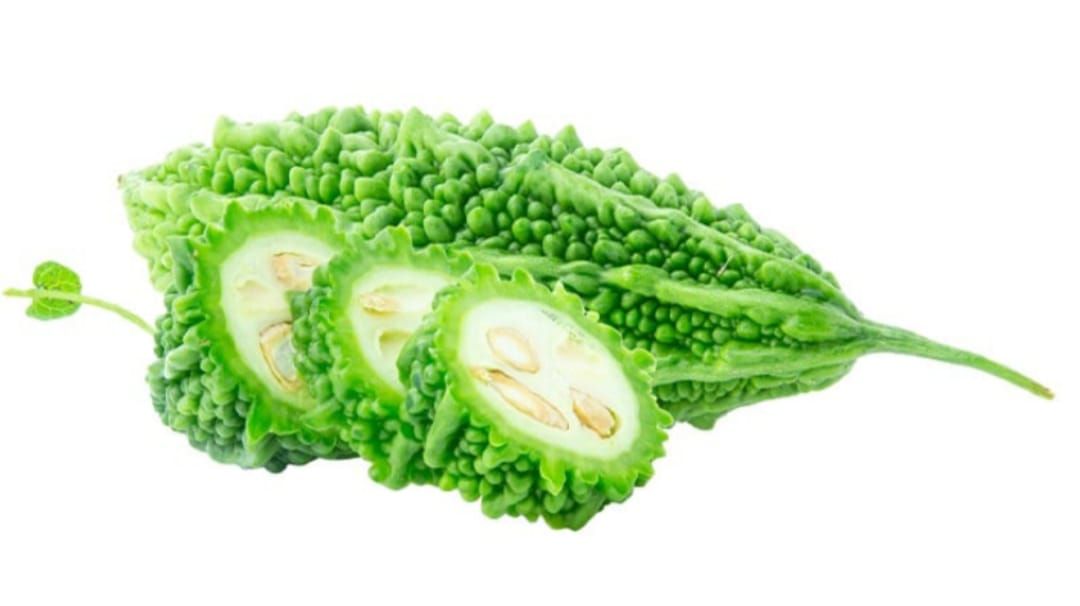
Bitter Gourd
HSN code: 07099330 for fresh or chilled bitter gourd
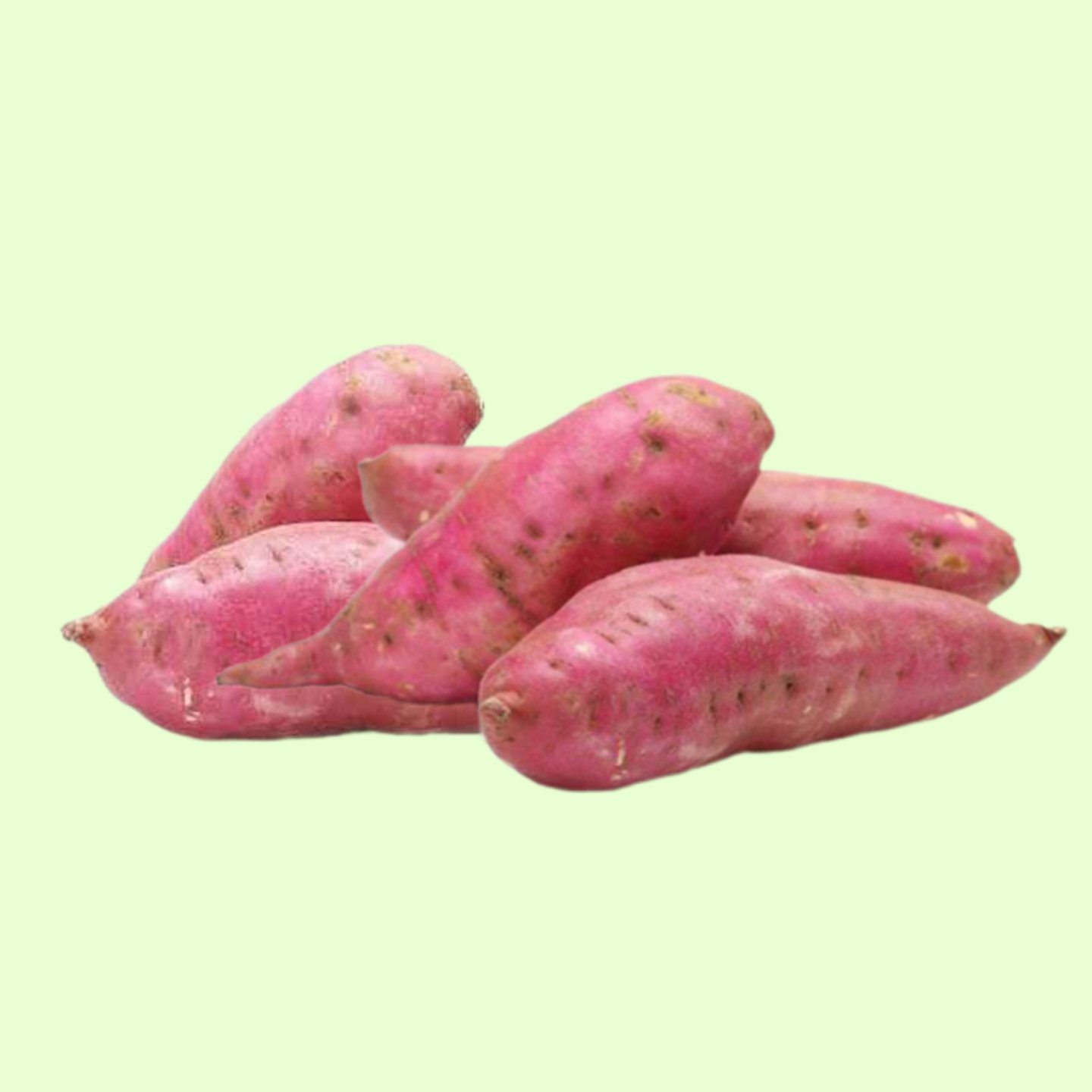
Red Potato
HSN code: 07019000 Edible vegetables and certain roots and tubers
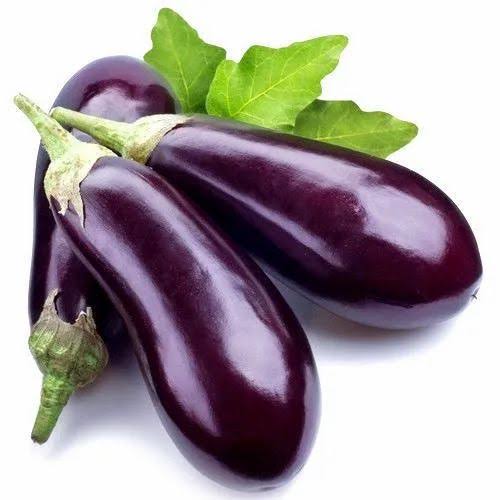
Brinjal
HSN Code: 07099990 (Fresh/Big Brinjal): Most common code for fresh brinjal.
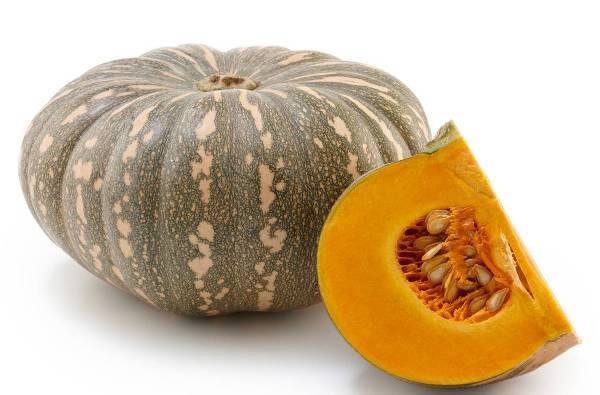
Pumpkin
HSN Codes: 07099310 Pumpkins (Fresh or Chilled)
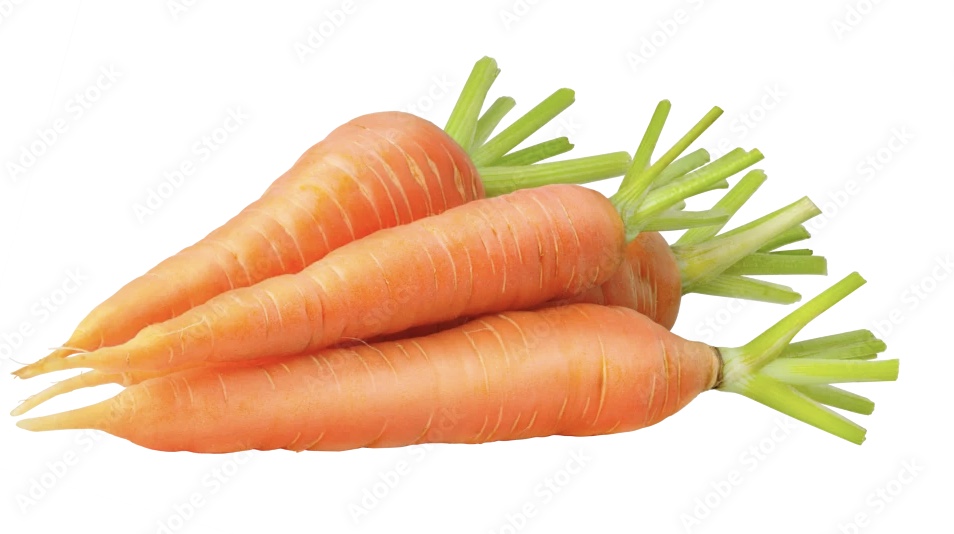
Carrot
HSN Code: 07061000 Carrots and Turnips, fresh or chilled.
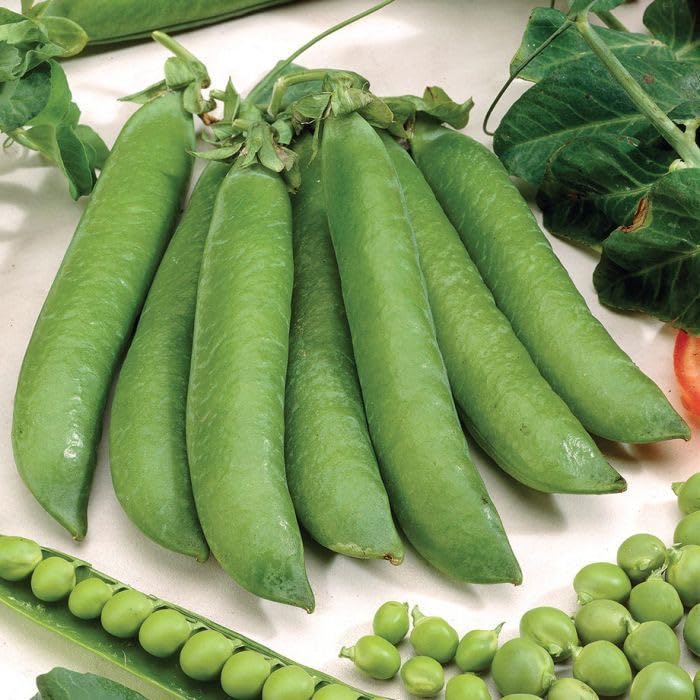
Green Peas
HSN Code: 07131020 Dried leguminous green peas (Pisum sativum).
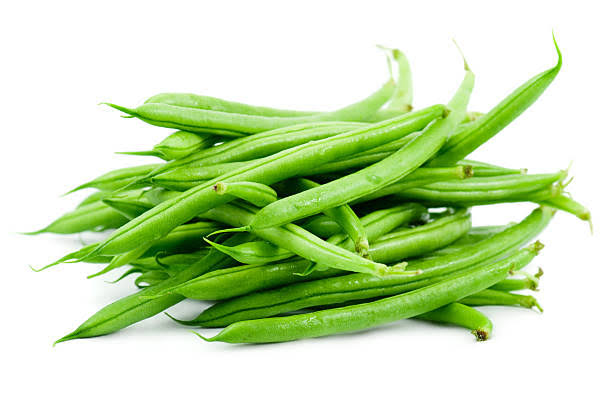
Green Beans
HSN Code: 07082000 Green beans (fresh or chilled), including phaseolus vulgaris, vigna spp.
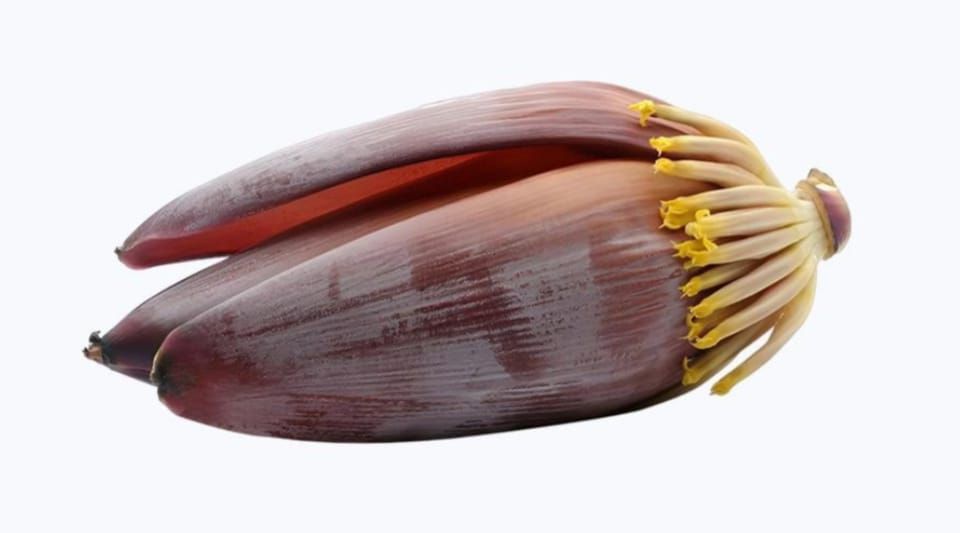
Banana blossom
HSN Code: 08039010 (Bananas, fresh)
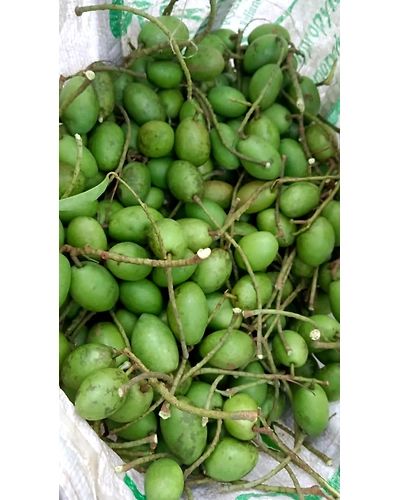
Alive
HSN Code: 07099200 Used primarily for making pickles (achar), chutneys, and sour curries (Tenga).
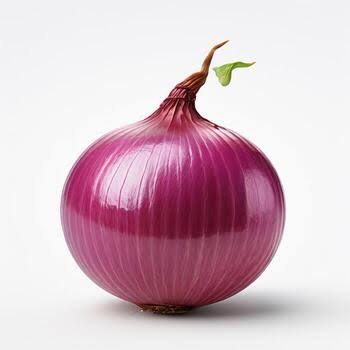
Onion
HSN code: 07031010 It forms the aromatic foundation for many dishes, salads, and curries.
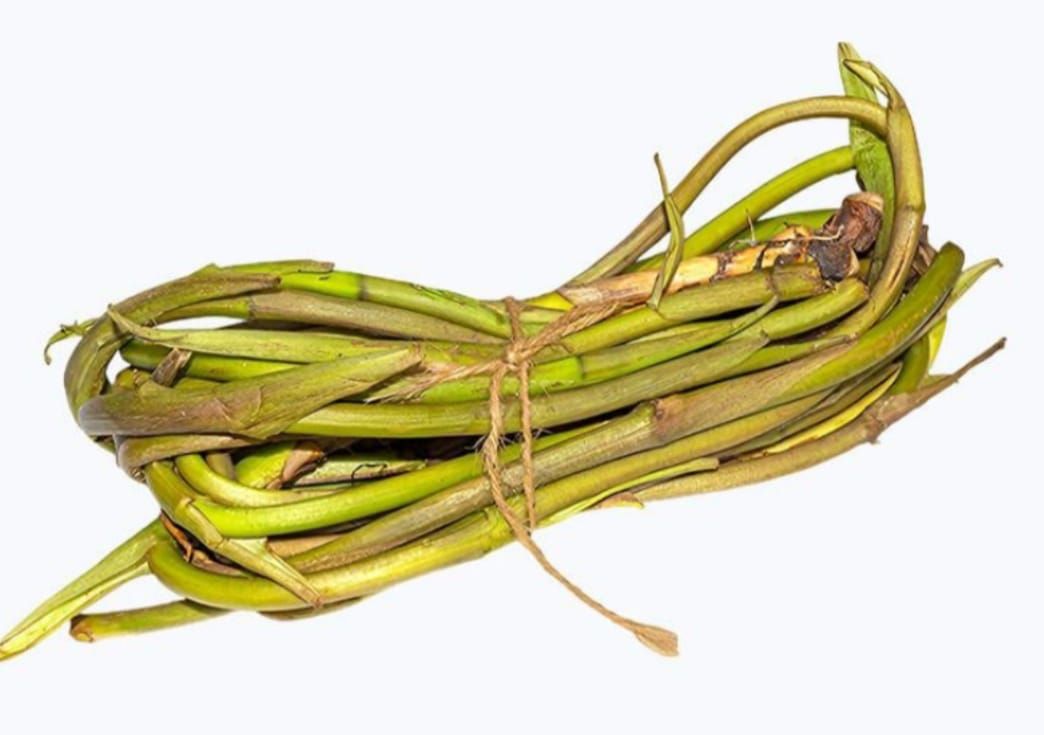
Colocasia Stems
HSN Code: 07144000 for trade, which covers edible roots and tubers, including taro. Fresh, dried, or frozen colocasia stems/tubers are usually classified here
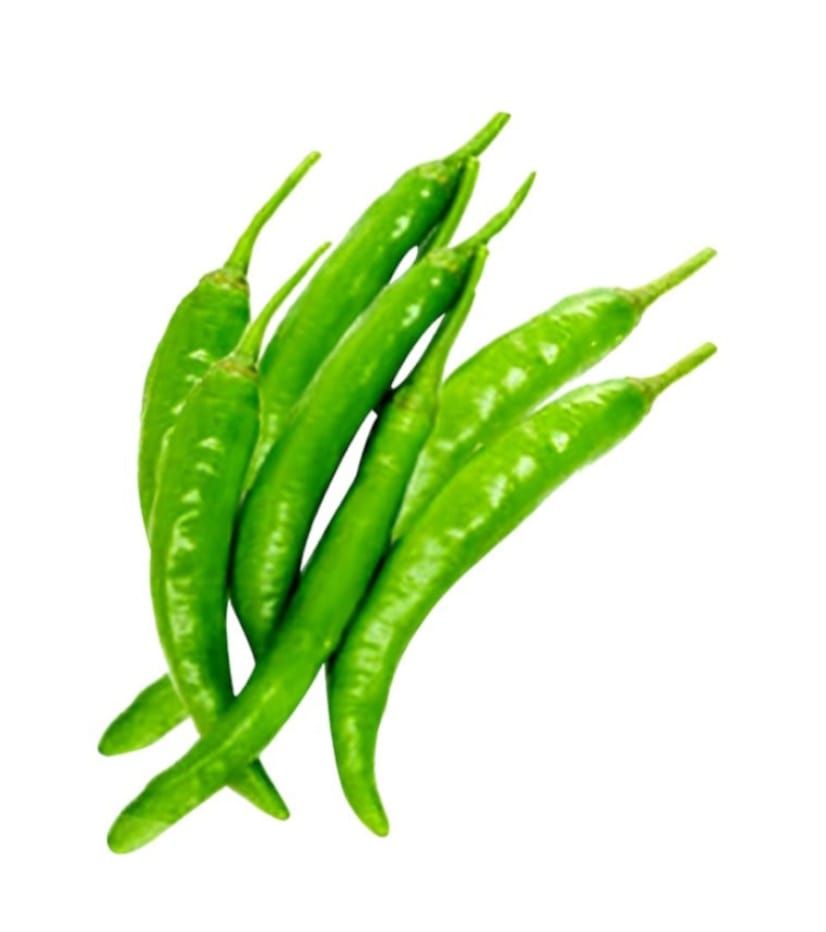
Chilli
HSN code: 09042110 It is often used as a vegetable, ingredient, or spice in cooking
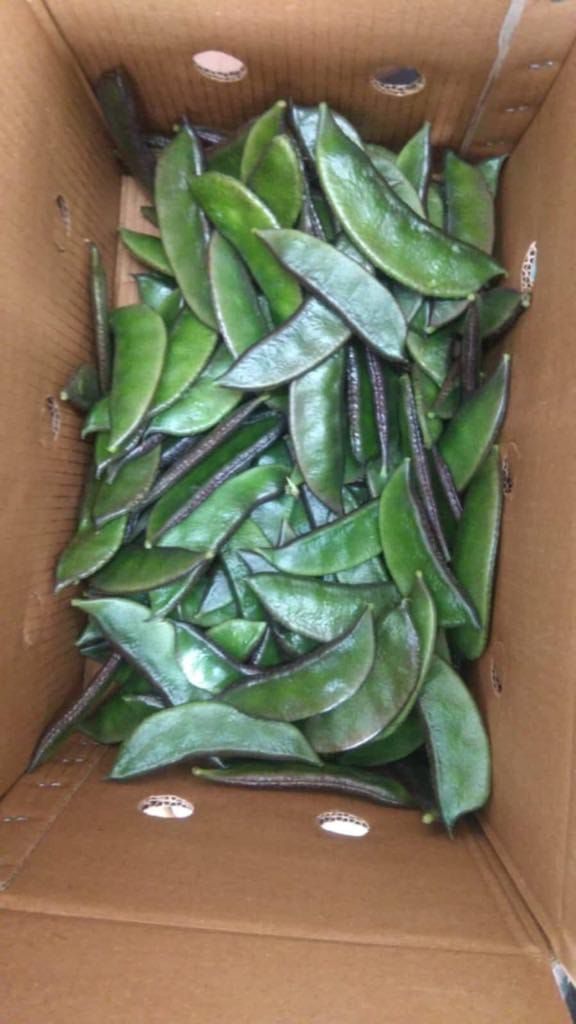
Hyacinth Bean
HSN Code: 071390 Used in curries, stir-fries, and bharta (mash).
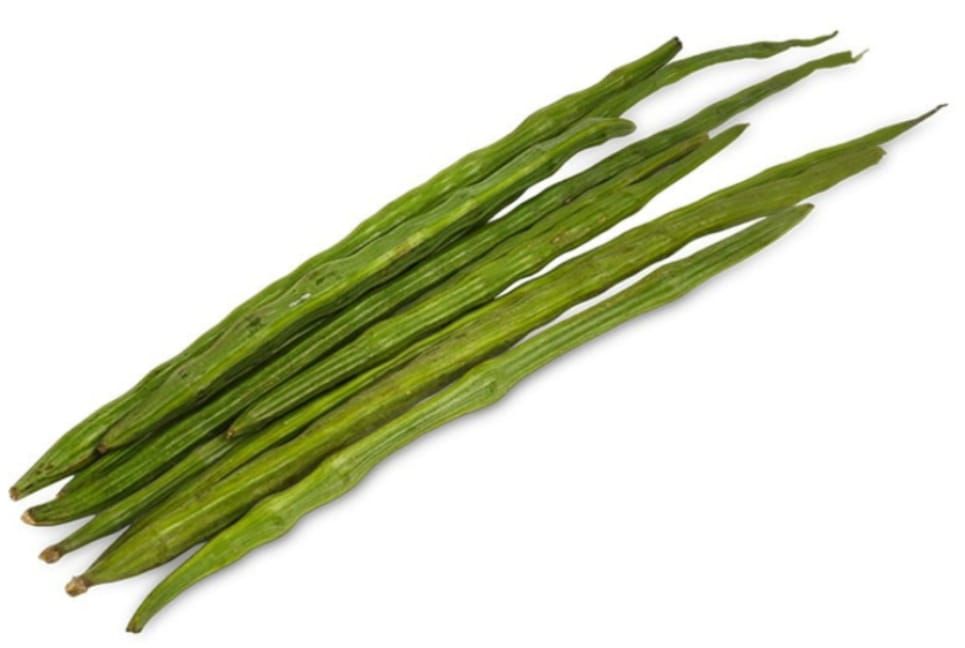
Drumstick
HSN code: 07099990 Pods Commonly called "drumsticks," these long, green, triangular pods are widely used in Indian cuisine, particularly in sambar, curries, and soups. Leaves Known as "Moringa leaves," they are treated as a leafy vegetable, often used in sautés (bhaja/poriyal) or added to dals.
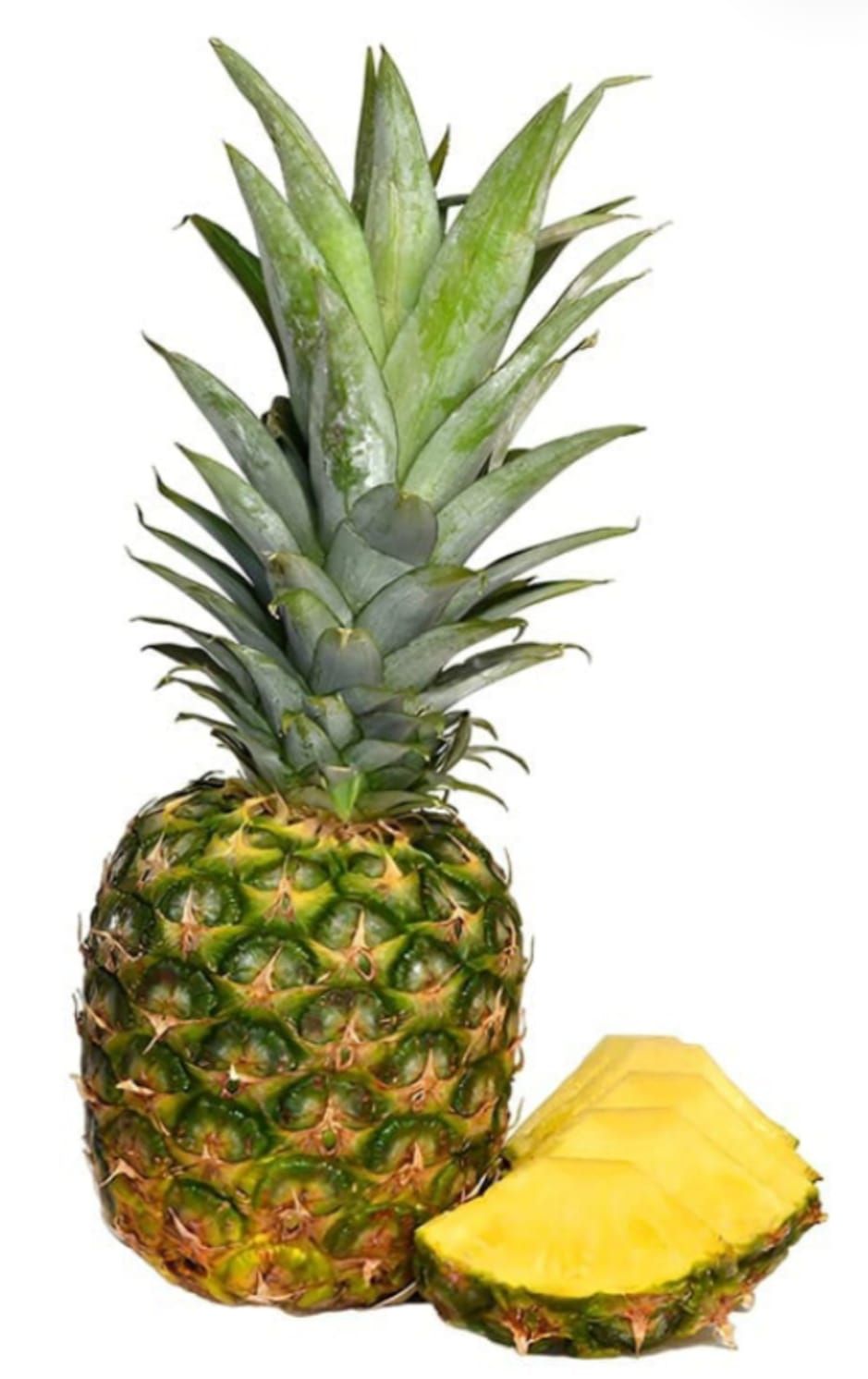
Pineapple
HSN code: 08043000 It is widely used in snacks, juices, desserts, and savory dishes.

Bottle gourd
HSN code: 07099340 Used in soups, curries, and stir-fries. "Lau Shak" Refers to bottle gourd leaves and stems, often used in stir-fries.

Banana
HSN Code: 08039010 Used for traditional meals in West Bengal in India, as they are hygienic and release healthy antioxidants when hot food is served on them.
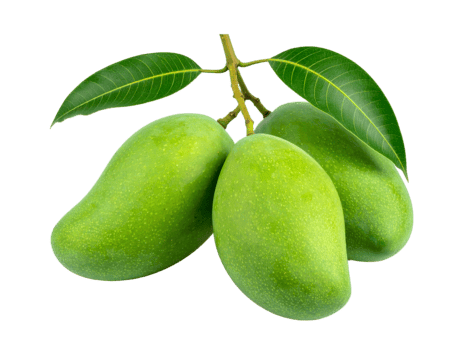
Mango
HSN code: 08045020 Native to the Indian subcontinent and Southeast Asia, mangoes are deeply embedded in Indian culture, representing prosperity.
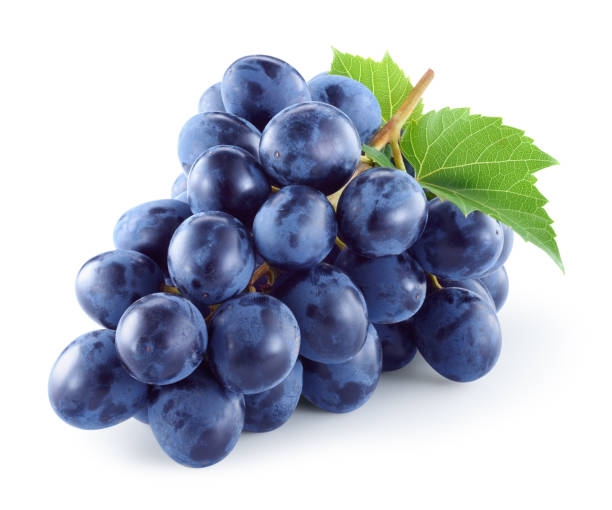
Black Grapes
HSN Code: 08061000 They are a type of sweet, dark-colored berry often cultivated for eating fresh, juicing, or making wines.
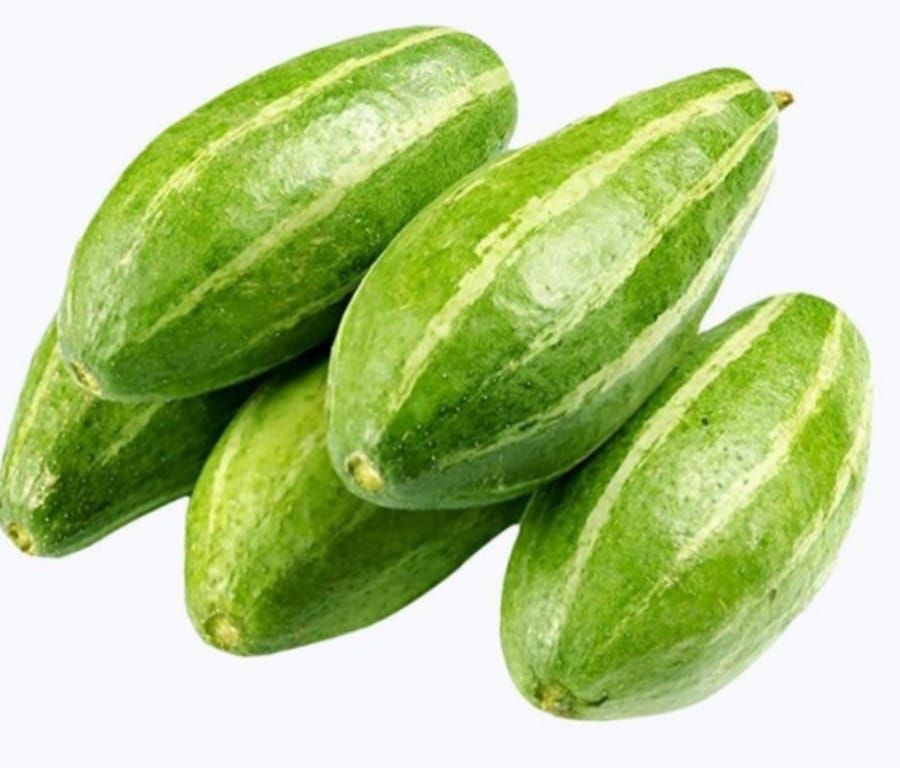
Pointed Gourd
HSN code: 07099990 A vine-growing vegetable with greenish skin, white stripes, and a pointed end, containing small, soft seeds inside.
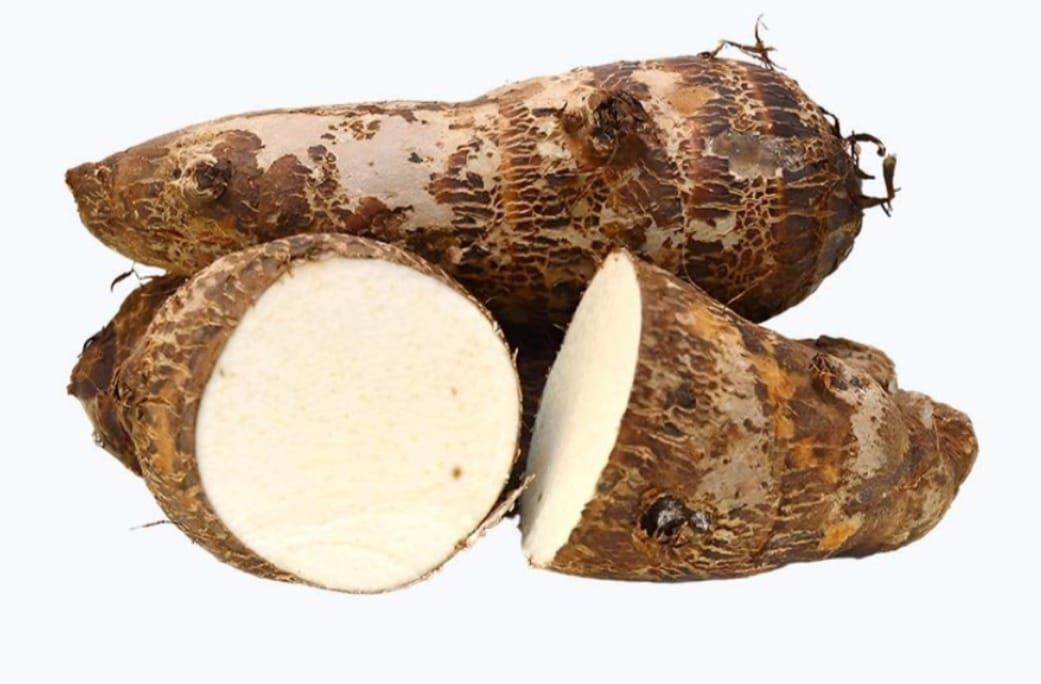
Taro Root
HSN code: 0714 4000 It is important to boil or cook it thoroughly to neutralize calcium oxalate crystals that can cause throat irritation.